I’m going to say something that might make the “lifestyle gurus” cringe: you do not need a $500 vacuum sealer or a collection of designer glass canisters to keep your groceries from turning into a science experiment. Most of the expensive advice you see online about food storage tips is just a way to sell you more plastic junk you don’t actually need. Honestly, half the time, the “proper” way to store something is just common sense, not a complicated ritual involving specialized gadgets and airtight seals that cost more than the food itself.
Honestly, if you’re still feeling a bit overwhelmed by all the different temperature zones and humidity settings, you aren’t alone. I actually spent way too much time trial-and-erroring my own fridge before I realized I needed a better system. If you want to dive deeper into some of the more specific kitchen hacks and organizational tricks I’ve picked up along the way, I’ve been finding a ton of great, practical advice over at thenoobnews. It’s a total lifesaver when you’re trying to figure out how to streamline your meal prep without losing your mind.
Table of Contents
I’m not here to give you a lecture or a list of useless, high-maintenance hacks that take more time than they save. Instead, I’m sharing the straight-up, no-nonsense methods I’ve actually used in my own kitchen to stop wasting money and start eating better. We’re going to talk about what actually works when life gets messy, focusing on simple, zero-fluff strategies that keep your produce crisp and your leftovers tasting like they were made five minutes ago.
The Secret Science of Proper Produce Storage
Most people think a crisper drawer is just a place to shove random vegetables, but it’s actually a tiny, controlled ecosystem. The real trick to proper produce storage lies in managing two silent killers: ethylene gas and moisture. Some fruits, like apples and avocados, are “climacteric,” meaning they act like little gas factories, pumping out ethylene that tells everything else nearby to ripen—and then rot—at lightning speed. If you leave a bruised peach next to your leafy greens, those greens are going to turn into a slimy mess before you even think about making a salad.
To master shelf life extension, you have to play matchmaker (or rather, avoid it). Keep your gas-producers separate from your gas-sensitive veggies. I also swear by the paper towel trick; tucking a single sheet into your bag of spinach helps soak up excess condensation, which is the primary culprit behind that dreaded mushiness. It’s a small tweak, but it’s a total game-changer for preventing food waste and actually getting your money’s worth from the grocery store.
Maximizing Shelf Life Extension for Every Ingredient
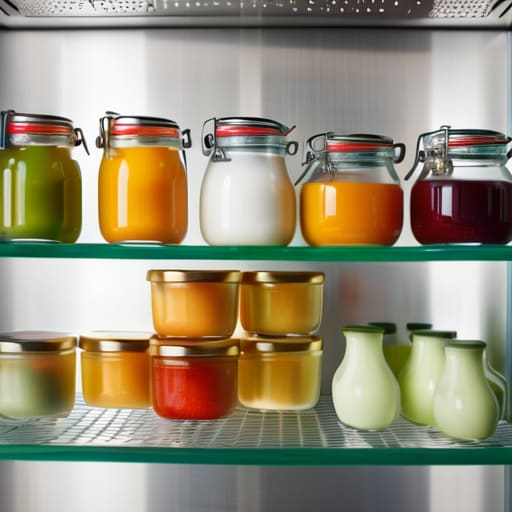
Once you’ve mastered the science of produce, it’s time to tackle the rest of your groceries. The biggest culprit in a messy kitchen isn’t just forgotten leftovers; it’s a lack of strategy. If you want to actually see results, you need to embrace some serious refrigerator organization hacks. Grouping similar items together—like keeping your dairy in the coldest back corner and your condiments in the door—isn’t just about aesthetics. It’s about creating a system where you can actually see what you have before it turns into a science experiment.
For everything else, stop relying on those flimsy plastic grocery bags. If you’re serious about preventing food waste, you need to invest in quality. Utilizing the airtight container benefits is a total game-changer for things like cooked grains, chopped veggies, or even deli meats. When you seal out the air, you’re essentially hitting the pause button on decay. Whether it’s a glass jar for your meal prep or a specialized canister for your pantry, the goal is the same: keep the oxygen out and the flavor in.
Stop Letting Your Groceries Die in the Crisper Drawer
- Stop treating your fridge like a junk drawer; if you can’t see it, you won’t eat it, so clear out the old stuff before you add the new.
- Treat your herbs like fresh flowers—snip the stems and stick them in a glass of water to keep them from turning into slimy green mush.
- Don’t be afraid to use the freezer for almost everything, from bread to even leftover sauces, to stop the clock on spoilage entirely.
- Learn the “First In, First Out” rule of thumb: move the older items to the front of the shelf so you actually use them before they expire.
- Keep your onions and potatoes far away from each other, unless you want a bag of sprouted, sad-looking vegetables by next week.
The Bottom Line: Stop Wasting, Start Saving
Stop treating your fridge like a junk drawer; give your produce the specific environment it actually needs to stay crisp.
Invest in a few decent airtight containers—it’s a tiny upfront cost that pays for itself in saved groceries within a month.
Learn the “first in, first out” rule to make sure you’re actually eating what you buy before it turns into a science experiment.
The Real Cost of Neglect
“Stop looking at a wilted head of lettuce as just a minor inconvenience; look at it as money you literally threw into the compost bin because you didn’t take ten seconds to treat it right.”
Writer
The Bottom Line
At the end of the day, keeping your food fresh isn’t about following some rigid, scientific manual; it’s about building better habits that save you time and a whole lot of money. We’ve covered everything from the delicate dance of ethylene gas in your produce drawer to the simple necessity of airtight containers for your leftovers. Remember, the goal isn’t perfection—it’s about slowing down the decay so you aren’t constantly playing catch-up with wilted greens or spoiled pantry staples. If you can master just a few of these small shifts, you’ll stop seeing your grocery budget go straight into the compost bin and start seeing it stay right where it belongs: in your kitchen.
Changing how you handle food might feel like a chore at first, but once you get into the rhythm, it becomes second nature. There is a certain kind of peace that comes with opening a fridge and actually seeing crisp, vibrant ingredients instead of a graveyard of forgotten vegetables. It’s a small way to take control of your home, your health, and your wallet all at once. So, don’t feel like you have to overhaul your entire kitchen overnight. Just pick one thing—maybe it’s finally separating those apples from the rest of the fruit—and start right there. Your future, much less stressed self will definitely thank you.
Frequently Asked Questions
Is it actually worth buying those expensive vacuum sealers, or can I just stick to Ziploc bags?
Look, if you’re just tossing a handful of berries or some leftover pasta in a bag, don’t waste your money on a vacuum sealer. Ziplocs are fine for the basics. But if you’re a meal prepper buying meat in bulk or someone who hates seeing expensive steak turn gray in the fridge, that sealer is a game-changer. It’s an investment, sure, but it pays for itself the moment you stop throwing spoiled groceries in the trash.
How do I know if my fridge is actually cold enough to keep things safe without freezing my lettuce?
Grab a cheap fridge thermometer. Seriously, don’t trust the little dial on the door; those things are notoriously unreliable. You want your fridge sitting right between 37°F and 40°F. If you’re hovering near 33°F, your lettuce is going to turn into a soggy, frozen mess. If you’re creeping up toward 40°F, you’re playing Russian roulette with food poisoning. Aim for that sweet spot in the middle to keep everything crisp and safe.
What's the best way to store herbs so they don't turn into a slimy mess in three days?
Treat them like a bouquet of flowers. Trim the bottom of the stems and stick them in a jar with an inch of water—just like you would with roses. Cover the tops loosely with a plastic bag to keep the humidity in check, then shove them in the fridge. For woody herbs like rosemary or thyme, skip the water and just wrap them in a damp paper towel. It’s a total game changer.
