I am so sick of the “decluttering gurus” telling you that you need to clear out your entire life in one massive, soul-crushing forty-eight-hour marathon. They make it sound like you need to rent a dumpster, throw away your childhood memories, and spend your entire Saturday weeping over a mountain of junk just to feel “organized.” Honestly? That is the fastest way to ensure you never actually finish. If you’re looking for how to declutter without a big weekend that leaves you feeling like a shell of a human being, you’ve come to the right place.
I’m not here to sell you a lifestyle overhaul or a complicated color-coding system that takes more work than the mess itself. Instead, I’m going to show you how to win the war of attrition through tiny, almost invisible victories. We are going to talk about realistic, bite-sized strategies that fit into the cracks of your actual life—like while the coffee is brewing or before you sit down to watch Netflix. This is about reclaiming your space without sacrificing your sanity, one drawer at a time.
Table of Contents
Mastering Micro Decluttering Techniques for Busy Lives
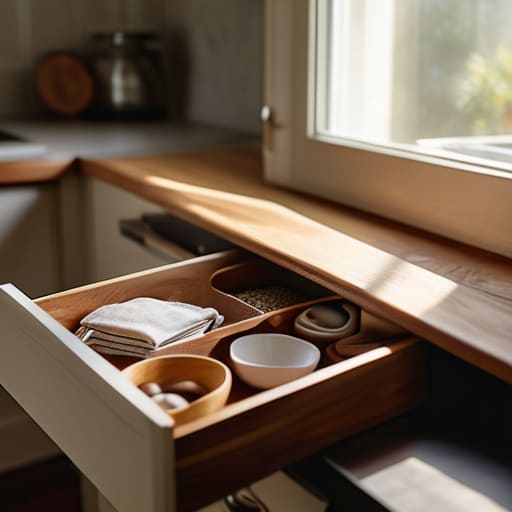
The secret to making this work isn’t about finding a massive block of free time; it’s about leaning into micro-decluttering techniques that fit into the gaps of your existing schedule. Think about that ten-minute window while your coffee is brewing or the time you spend waiting for a laundry cycle to finish. Instead of staring at a mountain of mess, pick one tiny, contained area. Maybe it’s just your junk drawer or that one messy shelf in the pantry. By decluttering one drawer at a time, you bypass the overwhelming urge to quit halfway through because the task actually feels achievable.
The real magic happens when these small wins turn into daily tidying routines. When you tackle tiny zones incrementally, you stop hitting that wall of mental exhaustion known as decision fatigue. You aren’t making life-altering choices about your entire household every single night; you’re just deciding if that dried-out pen actually needs to live in your desk. This low-pressure approach helps you build sustainable momentum without the burnout that usually follows a massive, forced cleaning spree.
Decluttering One Drawer at a Time to Avoid Burnout
If you find that your physical clutter is actually a symptom of a much larger, overwhelming mental load, it might be worth looking into how you manage your daily energy. Sometimes, the reason we can’t finish a single drawer isn’t a lack of time, but a lack of mental bandwidth. I’ve found that exploring different active options for staying mindful and organized can make these small cleaning sprints feel much less like a chore and more like a refreshing reset for your brain.
The reason most people fail at cleaning is that they try to tackle the entire kitchen or the whole closet in one sitting. That approach is a recipe for disaster. Instead, try decluttering one drawer at a time. When you limit your scope to a single, contained space, the task feels less like a mountain and more like a quick pit stop. You aren’t staring down a chaotic room; you’re just looking at a junk drawer or a sock bin. This shift in perspective is the secret to overcoming decision fatigue before it even starts.
Once you finish that one drawer, stop. Don’t let the momentum trick you into opening the next one and spiraling into a three-hour cleaning session. By treating these small wins as complete tasks, you build the muscle memory needed for long-term minimalist lifestyle habits. It’s about consistency over intensity. If you can commit to just ten minutes of tidying a single small area each day, you’ll find that your home begins to transform itself without you ever having to sacrifice a single Saturday to the chaos.
Five ways to keep the momentum without losing your mind
- Set a timer for fifteen minutes. When it dings, you stop. It turns a daunting chore into a quick sprint that doesn’t bleed into your entire evening.
- Use the “one-in, one-out” rule. Every time you bring something new into your house, something old has to leave. It stops the clutter from creeping back in the moment you finish.
- Keep a “maybe” box nearby. If you’re stuck on an item, toss it in the box instead of debating it for twenty minutes. If you haven’t touched that box in a month, donate the whole thing.
- Target the “visual noise” first. Clearing off just your kitchen counters or your coffee table can make the entire room feel lighter, giving you a quick hit of dopamine to keep going.
- Don’t wait for the “perfect” time. If you have five minutes while the coffee is brewing, tackle that one messy junk drawer. Those tiny wins add up faster than you think.
The Low-Stakes Strategy
Stop waiting for a free Saturday that may never come; start with five-minute wins instead.
Focus on small, contained wins like a single junk drawer to keep your momentum high and your burnout low.
Progress is about consistency, not intensity—cleaning one shelf a day beats a failed marathon once a month.
The Philosophy of Small Wins
“Stop treating your home like a renovation project that requires a massive overhaul and a weekend of suffering. Decluttering isn’t a marathon you run once a year; it’s just a series of tiny, quiet decisions you make while the coffee is brewing.”
Writer
The Long Game of a Lighter Home
At the end of the day, decluttering isn’t about achieving some impossible, Pinterest-perfect standard of minimalism. It’s about breaking the cycle of feeling overwhelmed by your own belongings. By leaning into micro-decluttering and focusing on single drawers or small surfaces, you’re stripping away the intimidation factor that usually keeps us paralyzed. You’ve learned that you don’t need a massive, exhausting weekend to make progress; you just need the discipline to embrace the small wins whenever you have five minutes to spare.
Remember, your home should be a sanctuary, not another item on your never-ending to-do list. If you miss a day or get distracted by life, don’t throw in the towel—just pick up one small thing tomorrow. The goal isn’t a one-time event, but a sustainable way of living that breathes easier with every item you let go. You’ve got this, and honestly, the most important step is simply starting small.
Frequently Asked Questions
What do I do with all the stuff once I’ve actually pulled it out of the drawer?
This is where most people trip up and end up with a “doom pile” on the floor. Don’t let that happen. As soon as you pull things out, sort them into three immediate piles: Keep, Donate, and Trash. If you’re unsure about something, put it in a “Maybe” box and hide it under the bed. If you don’t go looking for it in a month, it’s gone. Just don’t let the “maybe” pile sit in the middle of the room.
How do I stop myself from getting distracted by old photos or junk while I'm supposed to be doing a "micro-session"?
The “nostalgia trap” is real, and it’s the fastest way to turn a five-minute win into a three-hour meltdown. Here’s the trick: keep a “Maybe Later” box right next to you. If you find a photo or a sentimental trinket, don’t stop to reminisce. Toss it in the box, keep moving, and reward yourself with that memory trip after the timer goes off. Stay focused on the mission, not the memories.
Does this actually work for big, messy areas like a pantry or a closet, or is it only for small spots?
It absolutely works for the big stuff, but you have to change your mindset. You can’t look at a messy pantry as one single project; that’s how you end up paralyzed on the floor staring at expired cans. Instead, treat a closet like a collection of tiny zones. Don’t “clean the closet”—just tackle the shoe rack. Once that’s done, you’ve won. Small wins build the momentum you need to finish the big ones.
