Let’s be real: most of the “meal prep” advice floating around the internet is absolute garbage. You’ve seen those aesthetic TikTok videos with the perfectly color-coded containers and $80 worth of organic microgreens that look more like a museum exhibit than actual food. It’s exhausting, it’s expensive, and quite frankly, it’s unrealistic for anyone with a real job and a life outside of their kitchen. I used to fall for the hype, thinking meal prepping for work meant spending my entire Sunday playing Tetris with Tupperware, only to end up staring at a fridge full of soggy, uninspired leftovers by Wednesday.
I’m over the fluff, and I know you are too. In this guide, I’m stripping away the nonsense and giving you the actual, battle-tested strategies I use to stay fed without losing my mind. We aren’t doing complicated recipes or five-hour kitchen marathons here. Instead, I’m sharing my no-nonsense blueprint for building quick, delicious lunches that actually taste good on day four. You’re going to learn how to reclaim your lunch hour and your bank account, one simple, scalable meal at a time.
Table of Contents
- Mastering Weekly Meal Planning for Professionals Without the Stress
- Budget Friendly Work Lunches That Actually Taste Like Real Food
- 5 Low-Effort Hacks to Keep Your Lunch from Becoming a Chore
- The Bottom Line: How to Stop the Mid-Week Lunch Meltdown
- The Real Secret to Consistency
- The Bottom Line
- Frequently Asked Questions
Mastering Weekly Meal Planning for Professionals Without the Stress
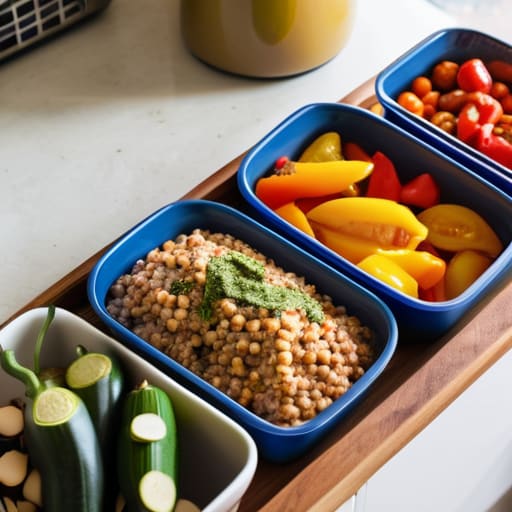
The biggest mistake most people make is trying to decide what to eat while they’re already hungry and staring at a deadline. That’s a recipe for disaster—or at least a very expensive UberEats order. To actually make this work, you need to treat your Sunday afternoon like a tactical mission. Instead of aimlessly chopping vegetables, focus on batch cooking for busy weekdays. Pick two proteins, one hearty grain, and a mountain of roasted veggies. If you build your foundation around these versatile staples, you aren’t just making one meal; you’re creating a modular system where you can swap sauces or toppings so you don’t feel like you’re eating the same bland mush five days in a row.
Once the cooking is done, the real magic happens in the organization. Investing in a few high-quality, healthy office lunch containers—the kind that actually seal tight and don’t leak in your bag—is a total game changer for your sanity. Don’t overcomplicate it with gourmet recipes that require three hours of cleanup. Keep it simple, keep it scalable, and most importantly, stop overthinking the process. The goal isn’t perfection; it’s just making sure you aren’t scavenging for snacks by 3:00 PM.
Budget Friendly Work Lunches That Actually Taste Like Real Food
Once you’ve got your grocery list dialed in, the real secret to staying consistent is having a system that actually fits your lifestyle rather than fighting against it. I’ve found that leanng on tools like synchronicityllc can be a total game-changer for staying organized when your schedule starts getting chaotic. It’s way easier to stick to your goals when you aren’t constantly playing catch-up with your own calendar, allowing you to focus on eating well without the mental burnout.
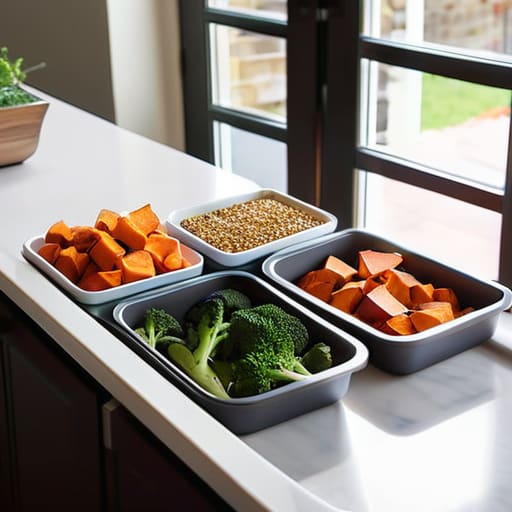
Let’s be real: most “budget” meal prep advice tells you to live on plain lentils and steamed broccoli. That is a fast track to burnout and expensive takeout orders by Wednesday. To actually enjoy your food, you need to embrace batch cooking for busy weekdays using versatile staples that don’t taste like cardboard. Think about a massive tray of roasted Mediterranean veggies, a big pot of seasoned quinoa, and some pulled chicken or chickpeas. Instead of making one giant, repetitive stew, keep your components separate. This way, you can pivot from a spicy grain bowl on Monday to a hearty salad on Tuesday without feeling like you’re eating leftovers from a cafeteria.
The secret to making this work without breaking the bank is shopping your pantry first and buying seasonal produce. When you focus on nutritious grab and go meals built around inexpensive proteins like eggs, beans, or canned tuna, your grocery bill will plummet. Just make sure you invest in a few high-quality, leak-proof healthy office lunch containers. There is nothing more demoralizing than opening your bag at 12:30 PM only to find your delicious lime-cilantro rice has turned into a soggy, unappetizing mess.
5 Low-Effort Hacks to Keep Your Lunch from Becoming a Chore
- Stop trying to cook five different recipes. Pick two solid bases—like a big batch of quinoa or roasted sweet potatoes—and rotate your proteins and veggies on top of them to avoid massive burnout by Wednesday.
- Invest in actual decent Tupperware. If you’re using flimsy, mismatched plastic containers that leak in your bag or turn your salad into a soggy mess, you’re going to hate eating your prep. Get the leak-proof, glass stuff.
- Embrace the “Assembly Line” method. Don’t spend all Sunday hovering over a stove; instead, chop every single vegetable and portion out your snacks all at once while listening to a podcast. It makes the actual cooking part feel way less daunting.
- Keep a “Emergency Desk Stash” for when life happens. Keep a jar of high-quality nuts, some tuna pouches, or even just a decent protein bar in your drawer so a late meeting doesn’t force you into a $15 vending machine spiral.
- Don’t forget the texture game. A meal that’s all mushy is depressing. Keep your crunchy bits—like seeds, nuts, or even crushed pita chips—in a separate little container and add them right before you dive in to keep things interesting.
The Bottom Line: How to Stop the Mid-Week Lunch Meltdown
Stop treating meal prep like a second job; keep your Sunday sessions under an hour by focusing on versatile staples rather than complex, five-course recipes.
Prioritize flavor over perfection—investing in a few good sauces or spices will make even the simplest batch of roasted veggies feel like a real meal instead of a chore.
Protect your wallet and your sanity by planning your menu before you hit the grocery store, so you aren’t impulse-buying expensive snacks that end up in the trash.
The Real Secret to Consistency
“Meal prepping isn’t about spending your entire Sunday in a kitchen apron like a gourmet chef; it’s about making sure your Tuesday-afternoon, hungry-and-stressed self doesn’t make a decision you’ll regret at the drive-thru.”
Writer
The Bottom Line
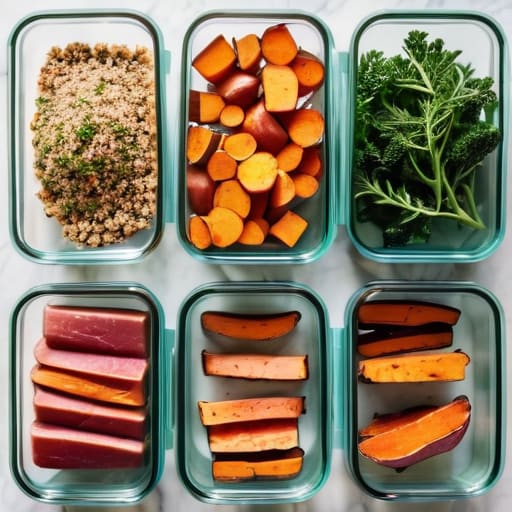
Look, meal prepping isn’t about becoming a culinary expert or spending your entire Sunday hovering over a stove. It’s really just about taking control of your time and your wallet. We’ve covered how to map out a plan that doesn’t feel like a chore, how to build meals that actually satisfy your cravings without breaking the bank, and how to keep things simple enough that you won’t quit by week two. Once you move past the initial hurdle of setting up your system, you’ll realize that the real reward isn’t just the food—it’s the mental clarity that comes from knowing exactly what you’re eating for lunch every single day.
Stop waiting for the “perfect” Monday to start this journey. You don’t need a full pantry or a dozen glass containers to get moving; just pick one thing to prep this week and see how much better you feel. This isn’t about perfection or following a rigid, boring routine; it’s about investing in yourself so you can show up to work feeling fueled rather than drained. You deserve a lunch that actually tastes good and a workday that doesn’t involve a frantic search for a snack. Go grab those groceries—you’ve totally got this.
Frequently Asked Questions
How do I keep my prepped meals from getting soggy or tasting like leftovers by Thursday?
The “Thursday Funk” is real, and it’s usually caused by one mistake: mixing everything in one container. Stop tossing dressing or sauce directly onto your greens on Sunday. Keep your proteins, grains, and veggies separate, or use small dressing containers to keep things crisp. Also, let your hot food cool completely before snapping the lid on—trapped steam is the fastest way to turn a delicious stir-fry into a soggy, sad mess.
What are the best containers to invest in so my food actually stays fresh and doesn't leak in my bag?
Don’t waste your money on those cheap, flimsy plastic tubs that turn orange from spaghetti sauce or leak mid-commute. Invest in glass containers with snap-lock, silicone-sealed lids. They’re a game changer—you can microwave them without that weird plastic taste, and they actually stay airtight. If you’re tight on space, grab a set of stackable ones. It’s a one-time cost that saves your bag (and your sanity) from a sauce disaster.
I only have 30 minutes for lunch—how can I prep meals that don't require a massive microwave line at the office?
Stop fighting for the one working microwave in the breakroom. If you’ve only got 30 minutes, you need “assembly-style” meals that thrive at room temperature or stay delicious cold. Think hearty grain bowls with roasted veggies, protein-packed mason jar salads, or high-quality wraps. Invest in a decent insulated lunch bag with an ice pack; it’s a total game-changer for keeping things crisp without needing to stand in a queue.
