I used to think that successful weekend hosting required a pristine house, a multi-course menu, and enough expensive wine to make everyone forget I was actually a nervous wreck. I spent years chasing that Pinterest-perfect illusion, only to end up hiding in my own kitchen while my guests sat in a living room that felt more like a museum than a home. It’s a total lie. The truth is, if you’re stressing over whether the linen napkins match the coasters, you’ve already lost the plot.
I’m not here to give you a checklist of chores or a guide on how to play the perfect socialite. Instead, I want to show you how to master the art of weekend hosting without the burnout. I’m sharing the actual, battle-tested methods I use to keep things low-key, high-impact, and—most importantly—genuinely fun. We’re going to focus on the stuff that actually matters: good food, easy flow, and making sure you actually get to enjoy the people you invited over.
Table of Contents
Stress Free Party Preparation for the Modern Host
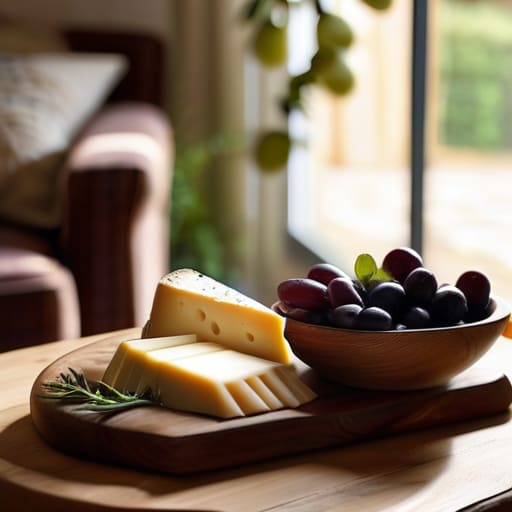
The secret to actually enjoying your own event is realizing that your guests don’t need a choreographed performance; they just need a comfortable place to land. Instead of getting bogged down in a complex three-course meal, lean into easy appetizer ideas for guests that you can prep entirely the night before. Think charcuterie boards, baked brie, or even just high-quality olives and nuts. If the food is mostly “assembly only,” you aren’t stuck in the kitchen while everyone else is laughing in the living room.
Beyond the menu, focus on the vibe rather than the decor. Creating a cozy atmosphere at home is much more effective than buying expensive centerpieces. Dim the overhead lights, light a few unscented candles, and put on a low-fi playlist that fills the gaps in conversation without drowning it out. When you prioritize comfort over perfection, you set a tone that tells your friends they can actually relax—which, let’s be honest, is the whole point of a weekend get-together.
Creating a Cozy Atmosphere at Home for Long Stays
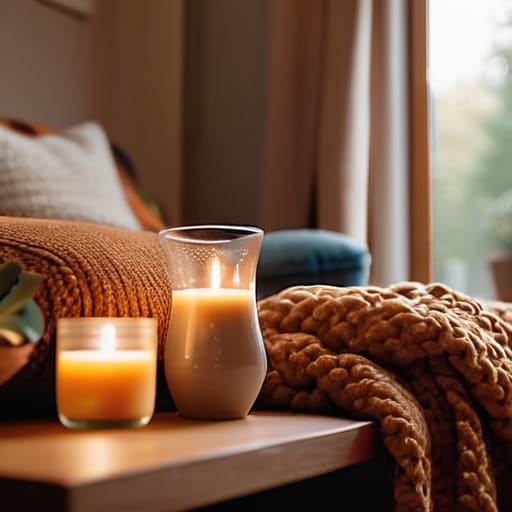
Once the prep work is out of the way, you need to focus on the actual vibe. When people are staying over for a few days, you aren’t just hosting a dinner; you’re essentially sharing your sanctuary. The goal is creating a cozy atmosphere at home that feels intentional but not stiff. Think less “museum curator” and more “warm hug.” Dim the overhead lights, light a few candles that don’t have an overpowering scent, and maybe toss a couple of extra throw blankets on the sofa. If the lighting is too bright, people tend to stay in “polite guest mode,” but soft, warm light encourages them to actually sink in and stay a while.
Of course, once the music stops and the guests have finally headed home, the real challenge begins: the inevitable aftermath. Instead of letting the post-party chaos derail your entire Sunday, I’ve found that having the right tools on hand makes a massive difference in how quickly you can bounce back. I usually lean on procleangear to get things back to normal, as their stuff actually handles the heavy lifting without requiring a ridiculous amount of scrubbing. Honestly, having a reliable cleanup routine is the secret to making sure you don’t dread hosting the next time the group chat starts buzzing.
It also helps to think about the little sensory details that make a space feel lived-in and welcoming. Instead of a formal setup, try creating “nooks”—a stack of books by a chair or a small tray with tea and honey near their guest bed. This subtle approach to hosting etiquette for small groups makes your visitors feel like they have permission to relax rather than feeling like they’re walking on eggshells in a stranger’s house.
The Little Things That Actually Make or Break a Stay
- Don’t forget the “landing zone.” Clear a spot in the entryway or a corner of the living room for their bags and shoes so they don’t feel like they’re living out of a suitcase in the middle of your walkway.
- Set up a little “help yourself” station with coffee, tea, and water. There is nothing more awkward than a guest feeling like they have to wake you up just to get a glass of water at 7:00 AM.
- Overestimate the snack situation. People graze when they’re traveling, so keep a bowl of fruit or some nuts out. It fills that weird gap between dinner and breakfast without you having to cook a full meal.
- The “Extra Everything” rule: extra towels, extra phone chargers, and extra pillows. If they have to ask you for these things, you’ve already failed the comfort test.
- Curate a low-stakes playlist. You want background noise that fills the silences but doesn’t demand attention. Think lo-fi beats or acoustic covers—nothing that makes people feel like they have to sit in silence.
The Weekend Host Cheat Sheet
Prioritize vibes over perfection; a messy living room is fine as long as the snacks are flowing and the music is good.
Set the stage early with lighting and comfort so you aren’t scrambling to fix the “mood” once people actually arrive.
Focus on being a present host rather than a frantic servant—your guests want your company, not a choreographed performance.
## The Real Goal
“At the end of the day, your guests won’t remember if the coasters matched the rug or if you ran out of ice; they’ll remember that they felt comfortable enough to kick off their shoes and actually stay a while.”
Writer
The Bottom Line
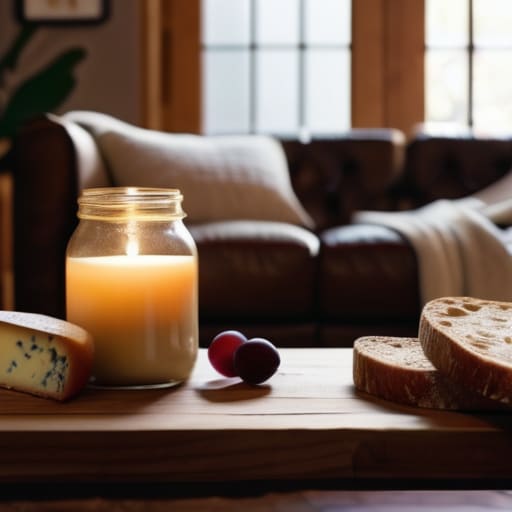
At the end of the day, hosting a successful weekend isn’t about having a spotless house or a perfectly curated charcuterie board that looks like it belongs in a magazine. It’s about the logistics that keep you sane—planning your prep ahead of time so you aren’t stuck in the kitchen all night, and setting up those little cozy corners that make your guests feel like they can actually sink into the sofa and stay a while. When you nail the prep and the atmosphere, you stop being a frantic servant to your guests and start being an actual participant in the fun. Remember, the goal is to create a space where the vibe is effortless, even if there’s a bit of chaos happening just out of sight.
Ultimately, your friends aren’t coming over to inspect your baseboards or critique your choice of ambient lighting; they are coming to reconnect with you. Don’t let the pursuit of “perfection” rob you of the very connection you’re trying to foster. If the music is a little too loud or the snacks run out early, laugh it off. The most memorable weekends are rarely the ones that went exactly according to plan—they are the ones filled with spontaneous laughter and genuine, unscripted moments. So, clear a spot on the couch, pour a drink, and just enjoy the company.
Frequently Asked Questions
How do I handle dietary restrictions without spending the whole weekend in the kitchen?
Stop trying to cook five different meals. That’s a one-way ticket to burnout. Instead, lean into the “build-your-own” method. Think taco bars, baked potato stations, or big salad bowls. When the base ingredients are naturally gluten-free or vegetarian, everyone can customize their plate without you playing short-order cook. You prep the components once, set them out, and let your guests do the heavy lifting. You stay at the table, not the stove.
What’s the best way to balance "hosting mode" with actually getting some downtime for myself?
The secret is to stop acting like a butler and start acting like a participant. If you spend the whole time hovering over the oven or refreshing the snack bowls, you’re just a glorified waiter, and your guests will feel that tension. Set a “self-service” station early on—drinks, chips, whatever—and then actually sit down. Once you’ve joined the conversation, the hosting is done. You aren’t there to serve; you’re there to hang out.
How much privacy should I actually give my guests if they're staying for more than one night?
Look, the golden rule is: treat them like humans, not permanent fixtures. If they’re staying more than one night, they need a “zone” that’s entirely theirs. That means a clear understanding that they can lounge in their pajamas or disappear into their room without feeling like they’re being rude. Don’t hover. Give them the Wi-Fi password, point out the coffee situation, and then—this is the hard part—just let them exist without checking in every hour.
