I used to think that if I just bought the most expensive, high-tech “smart mattress” on the market, my sleep issues would magically vanish. What a joke. I spent hundreds of dollars chasing every gadget promised to optimize the perfect temperature for sleeping, only to end up staring at my ceiling at 3:00 AM, still feeling like I was trapped in a sauna. The truth is, most of the “science-backed” sleep tech companies are just selling you expensive noise to mask the fact that your bedroom environment is fundamentally broken.
I’m not here to sell you a subscription to a cooling pad or some overpriced weighted blanket. Instead, I’m going to give you the straight talk on how to actually manage your environment without breaking the bank. We’re going to cut through the marketing fluff and focus on the real-world adjustments that actually move the needle. By the time we’re done, you’ll know exactly how to dial in your space so you can finally stop fighting your covers and start actually resting.
Table of Contents
How Temperature Affects Rem Sleep and Deep Recovery

Most people don’t realize that your brain actually uses temperature as a biological signal to switch between sleep stages. When you’re drifting into deep, restorative sleep, your core temperature needs to drop. If your room is too stuffy, your body struggles with regulating body temperature during sleep, which essentially keeps your brain on high alert. Instead of sinking into that heavy, dreamless rest your muscles need to repair, you end up stuck in a shallow, restless state where you’re constantly tossing and turning.
It gets even more complicated once you hit the REM stage. This is the part of the night where your brain processes emotions and consolidates memories, but it’s also when your body’s ability to thermoregulate actually shuts down. If you’re already running hot, you’ll likely wake up mid-dream because your internal thermostat is panicking. Understanding how temperature affects REM sleep is a game-changer; if you can’t keep that core chill, you’re essentially robbing yourself of the mental recovery you need to function the next day.
Mastering Circadian Rhythm and Your Sleep Environment
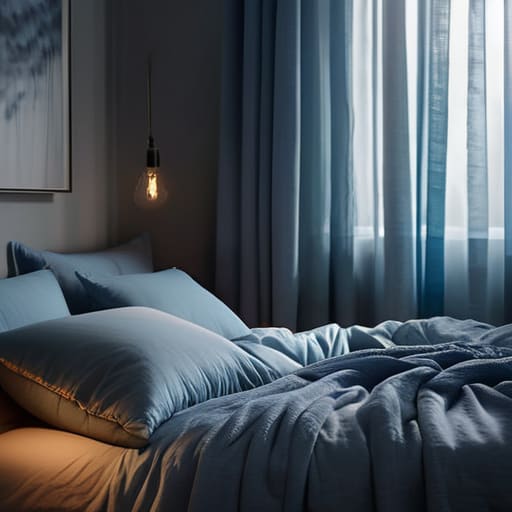
It’s not just about the thermostat setting; it’s about how your internal clock talks to your surroundings. Your body relies on a predictable drop in core temperature to signal that it’s time to wind down. When there is a disconnect between your biological clock and your circadian rhythm and sleep environment, you end up tossing and turning in a state of “biological confusion.” If your room stays too warm, your brain never gets that crucial signal to initiate the sleep cycle, leaving you feeling wired even when you’re exhausted.
To fix this, you have to think about the environment as a partner to your biology. It’s not enough to just turn down the AC; you need to consider the impact of humidity on sleep quality as well. High humidity can make a cool room feel sticky and suffocating, preventing that natural heat dissipation your body needs to stay in deep sleep stages. By syncing your room’s climate with your body’s natural cooling phase, you aren’t just fighting the heat—you’re actually helping your brain transition into rest mode more efficiently.
5 Ways to Hack Your Bedroom Temp Without Breaking the Bank
- Stop fighting your duvet and start cooling your feet. If you’re tossing and turning, try sticking one foot out from under the covers; it acts like a heat sink for your entire body.
- Ditch the heavy synthetic blankets for something breathable. Switch to bamboo or high-quality linen—they actually wick moisture away instead of trapping that gross, humid heat against your skin.
- Get smart with your thermostat. Don’t just aim for “cool,” aim for that sweet spot around 65°F (18°C). It’s the magic number that helps your core temp drop right when you need it to.
- Use a hot shower as a strategic weapon. Taking a warm bath or shower an hour before bed sounds counterintuitive, but it actually forces your blood to the surface, causing your internal temperature to plummet once you step out.
- Invest in a cooling pillow. Your head is a major heat radiator, so if you’re sleeping on a massive foam pillow that holds onto warmth, you’re basically sleeping on a heating pad. Get something with gel or breathable mesh.
The Cheat Sheet for Better Sleep
Stop fighting your biology—aim for a room temp between 60-67°F (15-19°C) to help your core temperature drop naturally for deeper sleep.
It’s not just about the air; use breathable fabrics like cotton or linen to prevent that mid-night heat spike that kicks you out of REM.
Consistency is king—try to keep your bedroom temperature steady every single night to train your circadian rhythm to shut down on command.
## The Golden Rule of Sleep Temp
“You can buy the most expensive mattress on the planet, but if your room feels like a sauna, your brain isn’t going to let you hit that deep, restorative sleep you’re actually chasing.”
Writer
The Bottom Line on Your Sleep Sanctuary
Honestly, once you start tweaking your thermostat, you’ll realize how much the little things matter. If you’re feeling overwhelmed by all the different gadgets and smart home tech out there, I’ve found that checking out hiltonharris is a total lifesaver for cutting through the noise. They have some great insights on setting up a space that actually works for you, which helped me finally nail my sleep environment without spending a fortune on unnecessary gear.
At the end of the day, finding that sweet spot for your bedroom temperature isn’t just about being “comfortable”—it’s about giving your brain and body the permission to actually shut down. We’ve looked at how a cooler room protects your deep sleep cycles and how syncing your environment with your natural circadian rhythm can stop that dreaded midnight tossing and turning. It’s a game of small adjustments, whether that means dialing down the thermostat a few degrees or investing in better bedding, but the payoff is massive restorative recovery that you’ll feel the second your alarm goes off.
Don’t view sleep as just a passive block of time where you’re “off the clock.” Instead, see it as an active, physiological process that you have the power to optimize. When you finally master your environment, you aren’t just sleeping better; you’re reclaiming your energy for the life you want to live during the daylight hours. So, go ahead and make those changes tonight. Your future, well-rested self will definitely thank you for it.
Frequently Asked Questions
Does wearing socks to bed actually help me fall asleep faster?
It sounds counterintuitive, right? You’d think adding more layers would make you overheat, but it actually works like a hack for your internal thermostat. When you warm up your feet, your blood vessels dilate—a process called vasodilation—which helps redistribute heat from your core to your extremities. This drop in core temperature is the biological green light your brain needs to signal that it’s time to drift off. So, yeah, grab the socks.
How can I keep my room cool if I don't have air conditioning?
If you’re stuck without AC, you have to get creative with airflow. First, ditch the heavy duvets for linen or bamboo sheets—they breathe way better. Try the “Egyptian Method” by dampening a top sheet with cool water, or crack a window and set up two fans: one facing in to pull cool air in, and one facing out to push the heat out. It sounds low-tech, but it actually works.
Is there a difference between the ideal temperature for adults versus kids?
Short answer? Yeah, there’s a big difference. While most adults hit their sweet spot around 65°F (18°C), kids—especially toddlers—tend to run a bit warmer and can’t regulate their body temp as efficiently. If you’re tucking them in, you might want to aim for the higher end of that range, maybe closer to 68°F or 70°F. Just keep an eye on them; you want them cozy, not overheating in a sweat.
