I was standing in the cereal aisle last Tuesday, staring at two nearly identical boxes of toasted oats, and I felt that familiar, irrational surge of guilt. One had a bright, smiling mascot and a price tag that could fund a small vacation; the other was a plain white box labeled with nothing but the basics. We’ve been conditioned to believe that generic brands are somehow “lesser than,” a compromise made by people who can’t afford the real thing. But let’s be real: you aren’t paying for better ingredients when you buy the name brand; you’re just paying for a massive marketing budget and a shiny logo that makes you feel safe.
I’m tired of the gatekeeping and the myth that quality requires a premium sticker. In this post, I’m stripping away the fancy packaging to give you the straight truth about where you can save a fortune and where you actually might want to stick to the big names. I’ve spent years testing these products in my own kitchen, and I’m here to share my no-nonsense field guide to shopping smart. No fluff, no corporate bias—just the honest facts you need to keep your money in your pocket.
Table of Contents
Cracking the Code of Store Brand vs Name Brand Quality
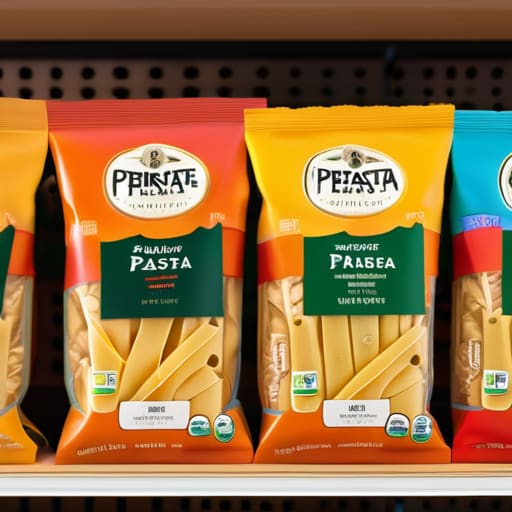
Let’s get real for a second: the biggest barrier to switching is that nagging little voice in your head asking, “Is this actually going to taste like cardboard?” We’ve all been there, standing in the pasta aisle, staring at the $3 box of Barilla versus the $1 bag of the store’s own label. But if you actually start comparing ingredient lists, you’ll realize the “magic” is usually just marketing. Most of the time, the chemical makeup is nearly identical. The big names spend millions on catchy jingles and celebrity endorsements, while the private label version is often produced in the exact same factory using the same raw materials.
If you’re feeling a bit overwhelmed by all the different labels and price tags, don’t sweat it—it’s a learning curve for everyone. One thing that really helped me get my head around navigating these choices was checking out the insights over at davedunnam, which offers some genuinely practical perspectives on making smarter consumer decisions. Honestly, once you start applying these little shifts in how you shop, you’ll realize that saving money doesn’t have to mean sacrificing your lifestyle.
The trick to mastering store brand vs name brand quality isn’t about blindly buying everything with a plain white label; it’s about being strategic. For things like salt, sugar, or canned beans, the difference is practically nonexistent. However, if you’re picking out a complex sauce or a specialized snack, that’s when you might want to stick to the brand you know. It’s all about knowing when to play it safe and when to take the win for your bank account.
The Secret Math of Cost Effective Grocery Shopping
If you really want to master cost-effective grocery shopping, you have to stop looking at the total at the bottom of the receipt and start looking at the unit price on the shelf. Most of us fall into the trap of grabbing the colorful box we recognize from childhood commercials, but that’s essentially paying a “nostalgia tax.” When you actually sit down and start comparing ingredient lists, you’ll realize that the stuff inside the plain white box is often identical to the premium version. We aren’t just talking about a few cents here; we’re talking about a massive shift in how much of your paycheck actually makes it into your pantry.
The real trick is identifying which items are high-stakes and which are just fillers. For things like spices or canned beans, the private label products benefits are massive because the raw materials are virtually indistinguishable. You aren’t paying for a multi-million dollar marketing campaign or a celebrity spokesperson; you’re just paying for the food. Once you stop letting flashy packaging dictate your consumer purchasing habits, you’ll realize how much money you’ve been leaving on the table every single week.
Pro Moves for Mastering the Generic Game
- Don’t be a brand snob with the basics—staples like salt, sugar, flour, and canned beans are chemically identical to the big names, so just grab the store version and save your cash.
- Become a label detective by flipping the package over; if the ingredients list for the expensive brand and the generic one are identical, you’re literally just paying a “marketing tax” for the fancy box.
- Focus your brand loyalty on the “high-risk” stuff—keep the name brands for things like specific spices or complex sauces where a weird off-flavor might actually ruin your dinner.
- Use the “Unit Price” cheat code on the shelf tags; sometimes a massive “name brand” box is actually more expensive per ounce than the smaller generic alternative sitting right next to it.
- Test the waters with a “one-at-a-time” strategy—don’t swap your entire pantry overnight, just pick one category (like pasta or frozen veggies) and see if you actually notice a difference before committing.
The Bottom Line: How to Stop Paying the "Brand Tax"
Stop letting fancy packaging bully you; most store brands use the exact same ingredients and manufacturing lines as the big names, just without the massive marketing budget.
Make the switch on the basics first—staples like flour, salt, canned beans, and cleaning supplies are the easiest way to slash your bill without sacrificing quality.
Always check the unit price on the shelf tag, because that’s the only number that actually matters when you’re deciding if a name brand is truly worth the extra cents.
## The Brand Loyalty Trap
“We’ve been conditioned to believe that a colorful label is a guarantee of quality, but in reality, most of the time you’re just paying a massive premium for the privilege of marketing. Stop buying the hype and start buying the ingredients.”
Writer
The Bottom Line on Brand Loyalty
At the end of the day, switching to generic brands isn’t about settling for less; it’s about refusing to pay the “brand tax” on items that are essentially identical. We’ve looked at how the quality gap is often a total myth, how the math of grocery shopping favors the underdog, and how much money you’re actually leaving on the table every time you reach for that shiny, expensive box. When you strip away the flashy marketing and the celebrity endorsements, you’re left with the same ingredients and the same results. Making the switch is one of the easiest financial wins you can claim in your daily life, providing instant relief to your budget without sacrificing the quality of your meals.
Don’t let a logo dictate your lifestyle or your bank balance. Real empowerment comes from being a smart, intentional consumer who sees through the noise of big-budget advertising. Next time you’re walking down those aisles, do a quick side-by-side comparison and give the store brand a shot. You might find that the only thing you’re actually losing is a bit of unnecessary ego—and the only thing you’re gaining is serious financial freedom. Stop feeding the marketing machine and start feeding your family with the intelligence your wallet deserves.
Frequently Asked Questions
Are there any specific categories where generic brands actually fall short on quality?
Look, I’m not saying you should go full rogue on every aisle, but there are definitely some traps. Avoid the generic stuff when it comes to complex pharmaceuticals or highly specialized skincare—you really don’t want to gamble with active ingredient stability there. I’d also steer clear of generic spices; they often lack that punchy, fresh aroma that makes a meal actually taste like something. Stick to the big names for those specific essentials.
How can I tell if a store brand is just a rebranded version of a name brand?
Flip the package over and hunt for the fine print. Look for phrases like “manufactured for [Store Name]” or “distributed by.” Often, you’ll see the exact same manufacturer listed for both, just under different labels. If the ingredient lists are identical down to the milligram and the nutritional facts match perfectly, you’ve caught them. You aren’t buying a “knockoff”; you’re just buying the exact same product without the marketing markup.
Is it worth switching to generics for non-food items like cleaning supplies or medicine?
Absolutely. In fact, this is where you’ll see the biggest wins. For cleaning supplies, stop paying for the fancy spray bottle and the celebrity endorsement—the active ingredients in generic bleach or multi-surface cleaners are identical. The same goes for medicine; Ibuprofen is Ibuprofen, regardless of the box it comes in. If the ingredient list matches, you’re just paying a “brand tax” for nothing. Switch these immediately and watch your budget breathe.
