I’m going to say something that might make the “wellness influencers” cringe: most of the advice you see online about meal prep for beginners is absolute, expensive garbage. You don’t need a kitchen full of matching glass containers, a $300 specialized gadget, or five hours of your life to sacrifice every Sunday just to eat lukewarm quinoa from a plastic tub. Honestly, the idea that you have to turn your kitchen into a high-tech laboratory just to eat a decent lunch is completely exhausting and, frankly, unnecessary.
I’m not here to sell you on a lifestyle overhaul or a complicated system that falls apart the second you have a busy Tuesday. Instead, I’m giving you the real-world blueprint—the kind of stuff that actually works when you’re tired, stressed, and just want to eat something that doesn’t taste like cardboard. We’re going to focus on simple, high-impact habits that save you time and money without making you feel like a full-time chef. This is about making life easier, not adding another chore to your never-ending to-do list.
Table of Contents
Mastering Batch Cooking Techniques Without the Chaos
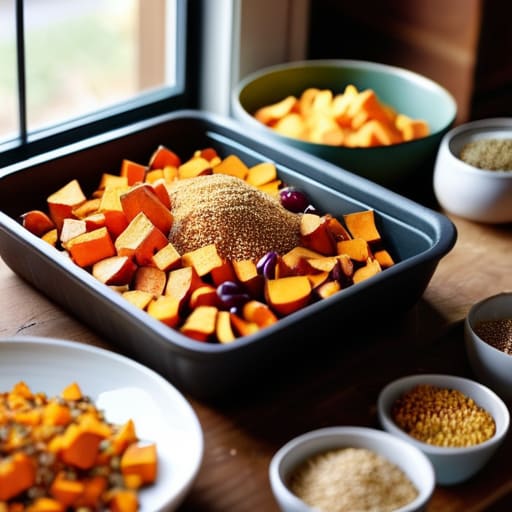
The biggest mistake people make is thinking they need to cook ten different recipes every Sunday. That is a one-way ticket to burnout. Instead, you need to master a few basic batch cooking techniques that allow you to play “mix and match” throughout the week. Think of it like building with Legos: cook a massive tray of roasted sweet potatoes, a giant pot of seasoned shredded chicken, and a big batch of quinoa. Once those components are ready, you aren’t just eating leftovers; you’re assembling fresh bowls, wraps, or salads in under five minutes.
To keep this from turning into a kitchen nightmare, you have to get smart about how you handle the aftermath. Don’t just toss everything into random Tupperware and hope for the best. Use clear, airtight containers so you can actually see what you have, which prevents that “mystery science project” vibe in the back of the fridge. This is also where portion control methods become your best friend. By dividing your proteins and carbs into individual containers right away, you take the guesswork out of eating and stop yourself from accidentally inhaling a week’s worth of calories in one sitting.
Grocery Shopping List Organization for Total Efficiency
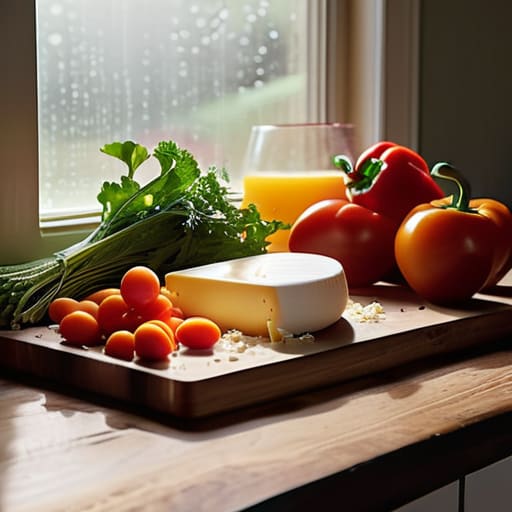
Let’s be real: the most stressful part of the whole process isn’t actually the cooking—it’s the aimless wandering through the grocery aisles. If you walk into a supermarket without a plan, you’re basically asking for impulse buys and wasted money. To avoid that, your grocery shopping list organization needs to mirror the layout of the store itself. Group your items by department—produce, proteins, grains, dairy—so you aren’t zigzagging back and forth across the floor like a lost tourist. It sounds small, but it’s one of those essential time saving kitchen hacks that keeps you from getting overwhelmed and grabbing a bag of chips just because you’re tired of walking.
Once you’ve actually got your grocery list dialed in, the real magic happens when you start thinking about how to make those meals feel less like a chore and more like something you actually want to eat. I’ve found that if I’m prepping something a bit more elevated—like a roasted chicken or a hearty Mediterranean spread—having the right pairing can totally transform the vibe of a weekday dinner. Honestly, if you want to level up your post-prep ritual, checking out the selections at battlewineestate is a great way to find something special that makes all that Sunday effort feel completely worth it.
Once you have your list structured, try to shop with your specific recipes in mind rather than just grabbing random healthy stuff. This is where healthy meal planning for weight loss actually becomes practical instead of just a theory. If you know exactly how many sweet potatoes or chicken breasts you need for your planned meals, you won’t end up with half-used ingredients rotting in the back of your fridge by Thursday. Mapping your list to your actual portions is the secret to staying consistent without the constant feeling of food waste.
5 Hacks to Keep You From Quitting by Tuesday
- Don’t try to be a hero and prep 21 meals on day one. Start with just your lunches for the work week. If you try to overhaul your entire life at once, you’ll burn out and end up ordering pizza by Wednesday night.
- Embrace the “Component Method” instead of full recipes. Instead of making complex casseroles, just roast a big tray of veggies, cook a pot of rice, and grill some chicken. It gives you way more flexibility so you don’t get bored eating the exact same thing every single day.
- Invest in decent containers, seriously. There is nothing more soul-crushing than opening a Tupperware only to have your salad turn into a soggy, sad mess. Get some leak-proof, glass containers that actually make the food look appetizing.
- Use your freezer as your safety net. If you realize you overcooked a batch of taco meat or made too much chili, don’t let it rot in the fridge. Portion it out and freeze it immediately for those “I’m too tired to even think” nights.
- Clean as you go or you’ll hate your life. If you leave a mountain of crusty pots and pans for the end of your prep session, you’re never going to want to do this again. Wash the cutting board while the chicken is in the oven—your future self will thank you.
The TL;DR: How to Actually Stick to This
Don’t try to prep 21 meals on day one—start with just your lunches for the work week so you don’t burn out by Tuesday.
Invest in decent containers; there is nothing more soul-crushing than a leaky lid ruining your entire fridge.
Keep it flexible—meal prep is a tool to make your life easier, not a rigid prison that makes you hate eating.
The Real Secret to Staying Consistent
“Look, meal prep isn’t about spending your entire Sunday in a kitchen apron like a professional chef; it’s about making sure that when you’re exhausted on a Tuesday night, you actually have something decent to eat instead of reaching for the takeout menu.”
Writer
The Bottom Line
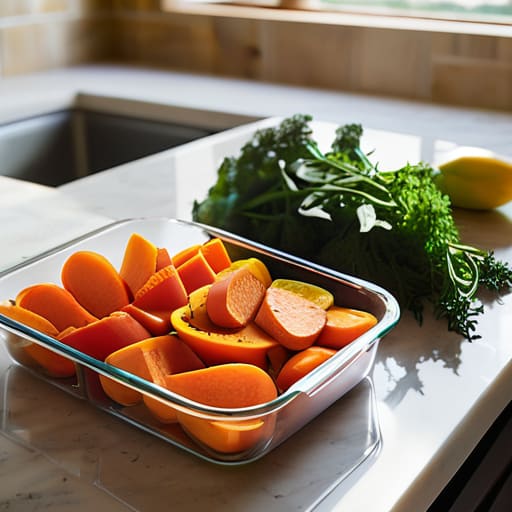
Look, we’ve covered a lot of ground here, from surviving the grocery aisles with a real plan to mastering batch cooking so you aren’t staring blankly at a stove at 6:00 PM on a Tuesday. The goal isn’t to become a culinary robot or spend your entire Sunday in a flour-covered trance; it’s about building a system that actually works for your life. If you can nail down your grocery organization and get those basic batching techniques under your belt, you’ve already won half the battle. Remember, the whole point of this effort is to stop the decision fatigue that leads to expensive, unhealthy takeout orders when you’re tired.
If you feel overwhelmed right now, just start small. You don’t need to prep twenty different meals for the week; maybe just prep your lunches or one single protein to use in different ways. Meal prepping is a skill, and like anything else, you’re going to have some messy, unorganized weeks before it becomes second nature. Don’t aim for perfection, just aim for progress. Once you get that first taste of a stress-free week where your food is actually ready when you are, you’ll realize that this tiny bit of effort pays massive dividends for your sanity and your health. You’ve got this.
Frequently Asked Questions
How do I keep my prepped meals from getting soggy or tasting like cardboard by Thursday?
The secret is simple: stop treating your Tupperware like a one-size-fits-all container. If you toss dressing or sauce directly onto greens on Sunday, you’re basically eating salad-flavored mush by Tuesday. Keep sauces in tiny separate containers, and for things like roasted veggies or proteins, let them cool completely before sealing the lid—otherwise, that trapped steam turns everything into a soggy nightmare. Keep the moisture separate, and keep your sanity intact.
Do I really need to spend my entire Sunday in the kitchen, or is there a faster way?
Absolutely not. If you think meal prep means spending six hours hovering over a stove every Sunday, you’re going to burn out by week two. That’s the fastest way to quit. Instead, try “component prepping.” Roast a big tray of veggies, cook a batch of grains, and grill some protein. You aren’t making full meals; you’re just prepping building blocks. It takes thirty minutes, and you can assemble fresh bowls all week.
What are the best containers to invest in so my food actually stays fresh?
Don’t waste your money on those cheap, flimsy plastic bins that stain the second they touch tomato sauce. If you’re serious, invest in glass. Specifically, look for borosilicate glass with airtight, snap-lock lids. They don’t hold onto smells, they’re microwave-safe, and they actually keep your greens from turning into mush overnight. It’s a bit more upfront, but your food—and your sanity—will thank you.
