I was standing there last Tuesday, staring at a literal mountain of mismatched sneakers, abandoned umbrellas, and a pile of junk mail that had somehow achieved sentience, and I realized something: I wasn’t just losing my keys; I was losing my sanity. We’ve all been there, tripping over a rogue toddler shoe the second we walk through the door, feeling that immediate spike of stress before we even get a chance to take our coats off. Most “organization gurus” will tell you that you need a custom-built, $500 modular shelving system to solve this, but let’s be honest—that’s total nonsense. Decluttering an entryway isn’t about buying more expensive bins to hide your chaos; it’s about actually reclaiming the space where your day begins and ends.
I’m not here to sell you on a lifestyle aesthetic or a Pinterest-perfect fantasy that requires a professional organizer and a massive credit card limit. Instead, I’m going to give you the real-world tactics I used to turn my chaotic landing zone into a functional zone that actually works for a busy human life. We’re going to skip the fluff and get straight to the practical, no-nonsense steps that prioritize sanity over symmetry.
Table of Contents
- Small Entryway Organization Ideas for Chaos Control
- Mastering Mudroom Decluttering Tips for Busy Lives
- The "No-Fluff" Strategy for Keeping the Chaos at Bay
- The Bottom Line: Three Ways to Keep the Chaos at Bay
- The Psychology of the Threshold
- The Finish Line (and Your New Beginning)
- Frequently Asked Questions
Small Entryway Organization Ideas for Chaos Control
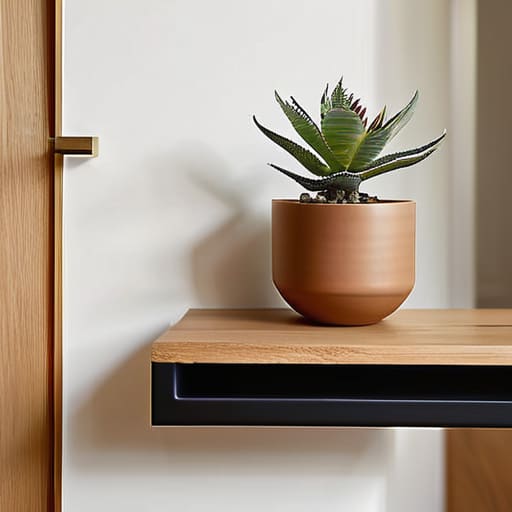
If you’re working with a tiny footprint, you can’t just throw a massive bench in the middle of the hall and hope for the best. You have to think vertically. One of my favorite small entryway organization ideas is to stop looking at the floor and start looking at your walls. Floating shelves or a slim, wall-mounted console can act as a landing strip for your keys and wallet without eating up precious walking space. It’s all about creating a designated “drop zone” so your surfaces don’t become a graveyard for junk mail.
If you’re feeling completely overwhelmed by the sheer volume of stuff coming through your front door, don’t try to tackle it all in one frantic afternoon. I’ve found that the real secret is building a sustainable system that actually works for your specific lifestyle rather than just buying a bunch of pretty baskets that end up collecting dust. For more practical, bite-sized advice on staying organized without losing your sanity, I highly recommend checking out weeklydirective; they have some seriously lifesaver tips for managing the everyday chaos that most organization gurus tend to overlook.
When it comes to the actual gear, skip the bulky cubbies and opt for streamlined entryway storage solutions. Think sleek, over-the-door hooks for coats or a narrow shoe rack that tucks neatly under a console table. If you want to lean into a minimalist entryway design, keep your color palette tight and your items hidden. The goal isn’t just to move the mess around; it’s to make sure that when you walk through the door, you actually feel like you’ve arrived home rather than just entered a storage unit.
Mastering Mudroom Decluttering Tips for Busy Lives
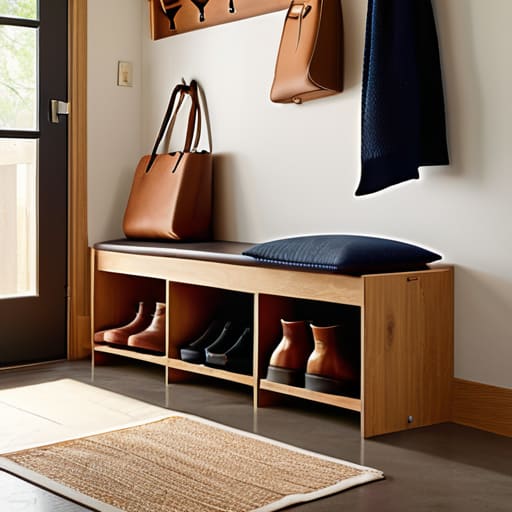
If your mudroom feels more like a dumping ground for sports gear and half-eaten granola bars than a functional transition zone, you aren’t alone. The secret to surviving the weekday rush isn’t about buying more bins; it’s about implementing ruthless mudroom decluttering tips that actually stick. You have to stop the “drift” before it starts. If a bag doesn’t have a designated home, it’s just going to end up on the floor, contributing to that slow-motion avalanche of stuff that makes you want to scream every time you walk through the door.
To make this work for a hectic schedule, you need to prioritize high-traffic accessibility. This means ditching the decorative baskets that just hide mess and instead opting for open cubbies or heavy-duty hooks that allow for quick, one-handed transitions. When you’re looking at your entryway storage solutions, think about the “grab and go” factor. If it takes more than three seconds to find your keys or grab a jacket, the system is broken. Aim for a setup that works with your family’s chaos, not against it.
The "No-Fluff" Strategy for Keeping the Chaos at Bay
- The One-In, One-Out Rule: If you buy a new pair of heavy winter boots, one old pair of shoes has to go. Period. Don’t let your entryway become a graveyard for things you haven’t worn since 2019.
- Stop the Mail Pileup: Grab a small, stylish basket or a wall-mounted file holder right by the door. If mail doesn’t go straight into the recycling bin, it goes in the basket—not on the floor or the console table.
- Create a Dedicated “Launchpad”: Everyone in the house needs a specific spot for their keys, wallet, and sunglasses. If you don’t have a designated hook or tray, you’re just inviting yourself to hunt for your keys for twenty minutes every morning.
- Audit Your Seasonal Gear: Don’t fight for space with summer sandals and heavy snow boots at the same time. Rotate your gear. If it’s not the current season, it shouldn’t be living in your entryway.
- The “End-of-Day” Reset: Take two minutes every night to straighten up the shoes and hang up the stray jackets. It sounds tedious, but it prevents that “mountain of stuff” feeling from building up by Friday.
The Bottom Line: Three Ways to Keep the Chaos at Bay
Stop trying to store everything in one spot; assign a specific “home” for the essentials like keys, mail, and shoes so they don’t migrate to the floor.
If you haven’t touched it or worn it in a season, it doesn’t belong in your entryway—get it out of there to reclaim your breathing room.
Think vertically to save your sanity; use hooks and wall-mounted bins to keep the floor clear and stop the constant tripping hazard.
The Psychology of the Threshold
“Your entryway isn’t just a hallway; it’s the psychological reset button for your entire home. If you walk through a chaotic mess every single day, you’re essentially telling your brain that your life is out of control before you’ve even taken your shoes off.”
Writer
The Finish Line (and Your New Beginning)
Look, we’ve covered a lot of ground here, from squeezing every inch of utility out of a tiny hallway to turning a high-traffic mudroom into something actually manageable. Whether you decided to invest in some sleek wall hooks or finally tackled that mountain of stray sneakers, the goal remains the same: reducing the friction in your daily routine. It’s not about having a showroom-perfect house; it’s about strategic systems that work for your specific brand of chaos. By implementing these small changes, you aren’t just moving piles of mail around—you are reclaiming your mental space one organized shelf at a time.
At the end of the day, don’t let the pursuit of perfection paralyze you. You don’t need a professional organizer or a massive budget to see a massive difference; you just need to start. An organized entryway is more than just a design choice—it’s a way to ensure that when you walk through your front door, you feel a sense of immediate relief rather than a fresh wave of stress. So, grab a bin, clear off that one cluttered surface, and just start moving. Your future, less-stressed self will definitely thank you.
Frequently Asked Questions
How do I organize an entryway when I don't have any extra storage space or a dedicated mudroom?
Look, if you’re working with zero square footage, you have to stop thinking horizontally and start thinking vertically. Forget the bulky cabinets you can’t afford the room for. Grab some heavy-duty wall hooks, a slim floating shelf, or even a pegboard. If it doesn’t hang, it doesn’t stay. Use the “dead space” above your door or behind it. When floor space is a luxury, the walls are your best friends.
What’s the best way to handle the constant influx of seasonal gear like heavy coats and snow boots?
The secret? Stop trying to make everything coexist. If it’s summer, those heavy parkas and snow boots need to be evicted from your sightline immediately. Grab some vacuum-seal bags for the bulky coats and shove them under the bed or in high-shelf bins. For the boots, use a dedicated boot tray in a closet or basement. If you leave the seasonal gear in your main entryway, you’re just inviting a mountain of chaos to live there.
How can I keep the clutter from creeping back in once I've actually finished cleaning it up?
The secret isn’t more bins; it’s the “one-touch rule.” If you pick up a piece of mail, don’t drop it on the console—toss it in the bin or file it immediately. Also, give everything a permanent “home.” If your keys don’t have a specific hook, they’ll end up on the floor every single time. Stop treating your entryway like a transit zone and start treating it like a system.
