I can still hear the frantic, heavy thud of my heels hitting the floorboards as I tore through a mountain of mail and discarded jackets just to find my car keys. It was 8:15 AM, I was already late, and my “organized” home felt like a total disaster zone. That was the moment I realized that most advice about entryway storage is completely disconnected from how real people actually live. You don’t need a boutique, minimalist console table that looks pretty but holds absolutely nothing; you need a system that survives the morning madness without collapsing under the weight of a single backpack.
I’m not here to sell you on expensive, high-end furniture that requires a lifestyle overhaul to maintain. Instead, I’m going to share the gritty, battle-tested methods I’ve used to reclaim my space from the chaos. We’re going to look at practical, budget-friendly ways to master your entryway storage so that your home actually works for you, rather than adding to your daily stress. No fluff, no designer nonsense—just real solutions for real life.
Table of Contents
- Small Space Magic Organizing Small Entryways With Ease
- Minimalist Entryway Solutions for a Clutter Free Welcome
- Five Quick Wins to Stop the Entryway Avalanche
- The Cheat Sheet for a Stress-Free Entryway
- The Psychology of the Threshold
- Final Thoughts on Your Entryway Evolution
- Frequently Asked Questions
Small Space Magic Organizing Small Entryways With Ease
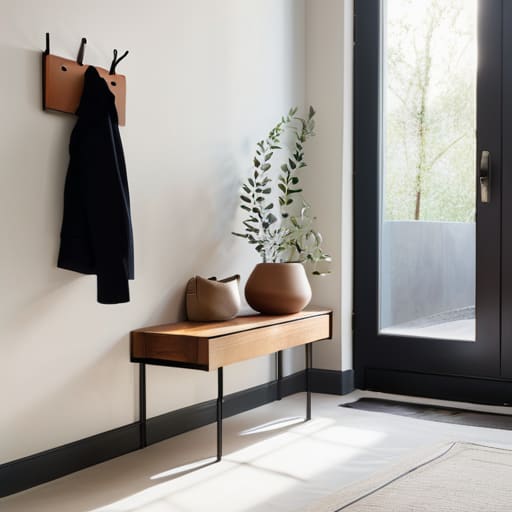
If you’re living in an apartment or a house with a narrow hallway, the idea of adding massive cabinets feels like a pipe dream. You don’t have the luxury of a sprawling mudroom, so you have to get smart about vertical space. Instead of letting everything pile up on the floor, look up. I’m a huge fan of exploring different wall mounted coat rack ideas because they clear up precious floor real estate while still keeping your jackets within arm’s reach. It’s all about making those tiny transitions feel intentional rather than cramped.
When you can’t go wide, go multifunctional. A slim entryway bench with shoe storage is a total game-changer for tight quarters. It gives you a dedicated spot to sit while lacing up your boots, but more importantly, it hides the visual clutter of scattered sneakers underneath. If you’re feeling even more restricted, lean into minimalist entryway solutions—think a simple floating shelf and a single hook. When you stop trying to cram everything in and start prioritizing what actually needs to be there, that small space suddenly feels much more breathable.
Minimalist Entryway Solutions for a Clutter Free Welcome
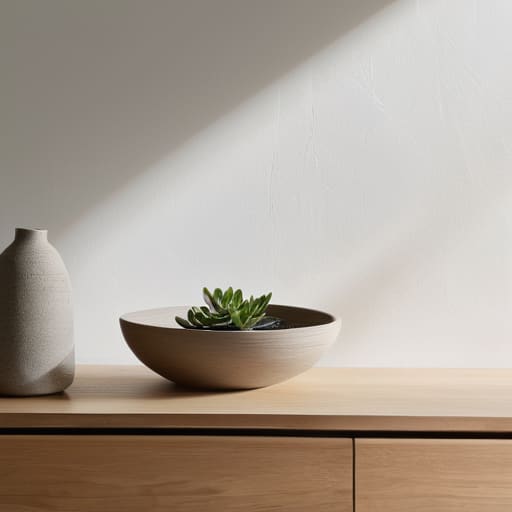
If you’re the kind of person who feels a sense of peace when everything has its place, then a minimalist approach is your best friend. The goal here isn’t to have empty surfaces, but to ensure that every single item serving your entryway actually earns its spot. Instead of a bulky cabinet that swallows the room, try leaning into minimalist entryway solutions like a sleek, slim-profile console. By keeping the footprint small, you prevent that claustrophobic feeling the moment you walk through the door.
To keep things functional without the visual noise, think vertically. I’m a huge fan of exploring different wall mounted coat rack ideas—think simple wooden pegs or a single sculptural rail—to keep your jackets off the floor and away from your line of sight. If you pair one of those with a clean, empty surface for just one meaningful piece of entryway console table decor, like a small ceramic tray or a single candle, you create a space that feels intentional rather than accidental. It’s about curation over collection.
Five Quick Wins to Stop the Entryway Avalanche
- Get a dedicated “launchpad” tray or bowl. If you don’t have a specific landing zone for your keys, wallet, and sunglasses, they’re going to migrate to the kitchen counter or, worse, get lost in the couch cushions.
- Think vertically with wall hooks. Floor space is precious, so stop trying to cram a massive coat rack into a tight corner. A few sturdy, stylish hooks can handle everything from heavy winter parkas to that lightweight tote you carry every day.
- Use a bench with hidden storage. It’s a total game-changer to have a place to sit while you struggle with your boots, and having a hollow space underneath to tuck away seasonal scarves or dog leashes keeps the visual clutter at zero.
- Don’t ignore the shoe situation. Instead of a messy pile of sneakers by the door, grab a slim shoe cabinet. They’re surprisingly shallow, meaning they won’t block your walkway, but they’ll keep those muddy soles out of sight.
- Set up a “mail station” immediately. Most entryway clutter is actually just paper. A small basket or a wall-mounted file holder prevents that pile of junk mail from slowly taking over your entire console table.
The Cheat Sheet for a Stress-Free Entryway
Stop fighting your space and start working with it—whether that means using vertical wall hooks for tiny apartments or embracing a strict “one-in, one-out” rule for your minimalist setup.
Design for your actual habits, not a Pinterest board; if you’re a person who drops everything the second you walk in, you need a dedicated “landing strip” for keys and mail.
Remember that a functional entryway isn’t just about hiding the mess, it’s about creating a transition zone that lets you leave the chaos of the outside world at the door.
The Psychology of the Threshold
“Your entryway isn’t just a hallway; it’s the mental reset button for your entire home. If you walk into a pile of shoes and mail, you’re carrying that chaos into your living room before you’ve even taken your coat off.”
Writer
Final Thoughts on Your Entryway Evolution
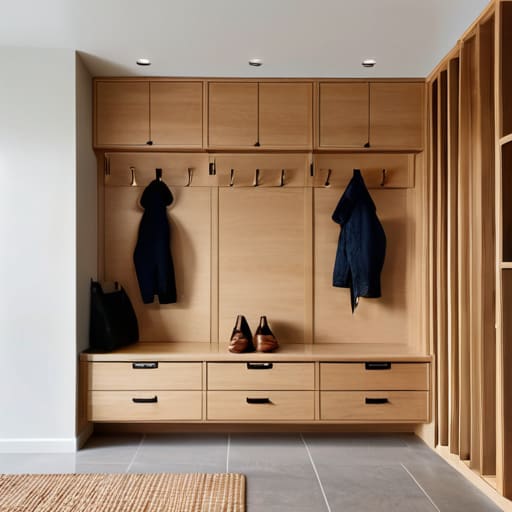
If you’re feeling completely overwhelmed by the sheer amount of stuff competing for space, sometimes you just need to step back and look at the bigger picture of how your home flows. I’ve found that instead of just buying more bins, it’s way more effective to look into professional-grade organizational systems that actually work with your lifestyle rather than against it. If you want to get serious about a total home overhaul, checking out the resources at ohkglobal can be a total game-changer for finding that perfect balance between style and actual, everyday functionality.
At the end of the day, mastering your entryway isn’t about following a strict set of interior design rules or buying every trendy basket you see on Pinterest. It’s about finding that sweet spot between functional utility and your own personal style. Whether you’ve leaned into the magic of small-space hacks to squeeze every inch out of a tiny nook, or you’ve embraced a minimalist approach to keep the chaos at bay, the goal remains the same: creating a transition zone that actually works for your lifestyle. Remember, the best storage solution is the one you’ll actually use every single day without feeling like you’re fighting against your own home.
Don’t feel like you have to overhaul the entire house in one weekend. Start small—maybe just a dedicated hook for your coat or a slim tray for your keys—and watch how that tiny bit of order starts to ripple outward into the rest of your life. Your entryway is more than just a hallway; it’s the handshake of your home and the first thing you see when you return from a long day. Make it a place that breathes, a place that welcomes you, and most importantly, a place that makes your life easier the moment you step through the door.
Frequently Asked Questions
What are some budget-friendly DIY ideas if I can't afford fancy built-in organizers?
Look, you don’t need a massive renovation budget to fix the chaos. Grab some command hooks and a cheap wooden crate from a craft store—drill a few holes in the crate, mount it to the wall, and boom, you’ve got a custom cubby for mail or keys. Even a simple floating shelf from a discount retailer can change the game. It’s all about using what you have to create dedicated “homes” for your stuff.
How do I manage heavy coats and bulky bags without making a tiny hallway feel even more cramped?
Look, we’ve all been there—staring at a mountain of puffer jackets and oversized totes that make your hallway feel like a narrow obstacle course. The trick is to get everything off the floor. Swap that bulky standalone coat rack for sleek, wall-mounted hooks placed at different heights. Use a slim, vertical cubby for bags instead of a wide bench. If you keep the floor clear, the space instantly breathes again.
Is it better to go with open shelving for easy access, or should I stick to closed cabinets to hide the visual mess?
Honestly, it’s a total toss-up depending on how much of a “neat freak” you actually are. Open shelving is a lifesaver when you’re rushing out the door—you can grab your keys and go without thinking. But let’s be real: if you aren’t disciplined about putting things back, those shelves turn into a cluttered eyesore fast. If you want a polished look without the effort, go with closed cabinets. Hide the chaos, save your sanity.
