I still remember sitting in my driveway three years ago, staring at a $400 tent and a “professional-grade” stove that looked more like something out of a NASA lab, wondering why I felt so broke before I’d even left the suburbs. The outdoor industry has this incredible way of making you feel like you’re unprepared for nature unless you’ve spent a small fortune on ultralight titanium gear and designer flannel. It’s a total racket. The truth is, you don’t need a mountain of high-tech gadgets to enjoy a weekend under the stars; mastering camping on a budget is actually about being smarter than the marketing departments, not just buying whatever is on the front page of an outdoor catalog.
I’m not here to give you a list of generic “hacks” you can find in a thousand other blog posts. Instead, I’m going to share the real-world tactics I’ve used to hack my way through countless trips without draining my savings. We’re going to talk about gear that actually lasts, food that doesn’t taste like cardboard, and how to find the best spots without paying a premium. This is about getting you into the wild more often, without the financial hangover.
Table of Contents
Finding Free Camping Spots Near Me Without the Stress
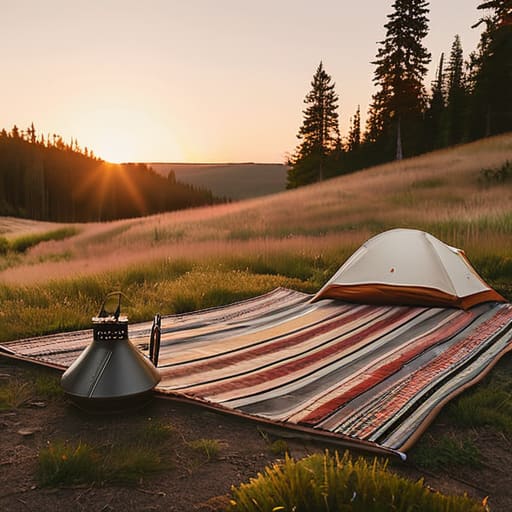
Once you’ve nailed down the location, the next hurdle is usually figuring out what gear you actually need versus what’s just taking up space in your garage. I used to make the mistake of buying every shiny new gadget, but I’ve learned that keeping it simple is the real secret to staying under budget. If you’re feeling a bit overwhelmed by all the gear talk online, I’ve found that checking out localvocalbuzz is a total lifesaver for getting the real scoop on what’s actually worth your hard-earned cash.
The biggest mistake people make is thinking they have to book a pricey RV park just to get a decent night’s sleep. If you’re searching for free camping spots near me, your best bet is to look beyond the standard commercial campgrounds. Start by scouting out National Forests or Bureau of Land Management (BLM) land. These areas often allow “dispersed camping,” which is basically just finding a flat, scenic patch of dirt and setting up camp for zero dollars. It’s not about luxury; it’s about the freedom to wake up wherever the view is best.
Of course, finding these hidden gems takes a little bit of digital legwork. I swear by apps like iOverlander or even just digging through niche Facebook groups to find the real lowdown on cheap campsite locations that aren’t overrun by crowds. Just a heads-up: when you’re going the free route, you have to be a bit more self-sufficient. Since you won’t have access to hookups or paid amenities, you’ll want to focus on minimizing your footprint and staying prepared for the elements.
Scouting Cheap Campsite Locations for Your Next Escape
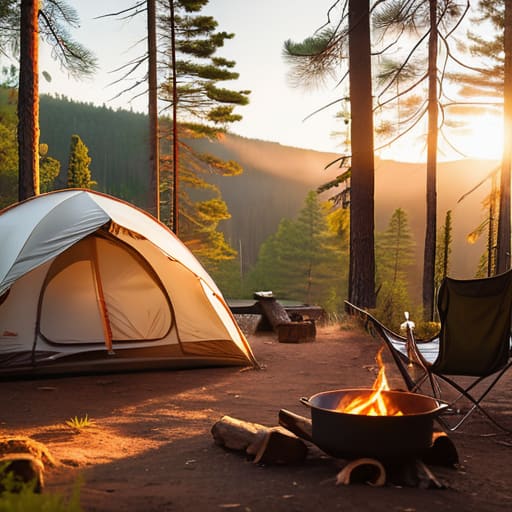
Once you’ve moved past the idea of free spots, the next step is hunting down those mid-range gems that won’t drain your savings. Instead of booking the high-end, “glamping-adjacent” resorts that charge a premium for fancy bathrooms, start looking at state forests and smaller, privately-owned campgrounds. These cheap campsite locations often offer the same incredible views and quiet nights without the massive markup of the big-name national parks. I’ve found that if you’re willing to drive an extra thirty minutes off the main highway, you can usually snag a much better site for a fraction of the price.
The real trick to saving money on outdoor adventures is being flexible with your timing. If you can swing a mid-week trip instead of a holiday weekend, you’ll often find that reservation fees drop and availability skyrockets. It’s also worth checking out local community-run sites or even dispersed camping areas on public lands. By doing a little digging before you pack the car, you ensure your money goes toward more experiences—like better meals or extra fuel—rather than just paying for a patch of dirt.
Smart Ways to Save Without Sacrificing the Fun
- Stop buying brand-new gear every time you want to head out. Hit up thrift stores, Facebook Marketplace, or even your neighbor’s garage sale. Most of the time, a slightly used tent or a sturdy stove works just as well as the shiny new stuff, and it costs a fraction of the price.
- Master the art of the “pantry raid” before you hit the grocery store. Instead of buying expensive pre-packaged camping meals, look at what you already have in your kitchen—think rice, beans, or pasta—and just grab the few extra ingredients you need to make them outdoor-friendly.
- Invest in a high-quality cooler rather than buying bags of ice every single day. It sounds like a bigger upfront cost, but if you’re camping for a few days, the savings on ice alone will eventually pay for the cooler itself.
- Keep your meal prep simple and one-pot focused. The more specialized gear you bring—like dedicated pans for every single dish—the more you’ll end up spending on kitchen gadgets you’ll only use once a year.
- Group up with friends to split the heavy costs. If you’re heading out with a crew, don’t all buy your own lanterns, stoves, or massive water jugs. Divide and conquer the gear list so everyone brings one big thing, and nobody is stuck paying for five of everything.
The Bottom Line on Budget Camping
Stop paying for amenities you don’t use; focus on finding free or low-cost spots through scouting rather than relying on expensive, pre-packaged campgrounds.
Preparation is your biggest money-saver, so do the legwork on location research before you ever hit the road to avoid “emergency” fees.
You don’t need a massive budget to enjoy the wilderness, just a bit of strategy and a willingness to look beyond the most obvious, pricey destinations.
The Real Value of the Woods
“At the end of the day, the trees don’t care if your tent cost fifty bucks or five hundred; the best views in the world are always free.”
Writer
The Bottom Line
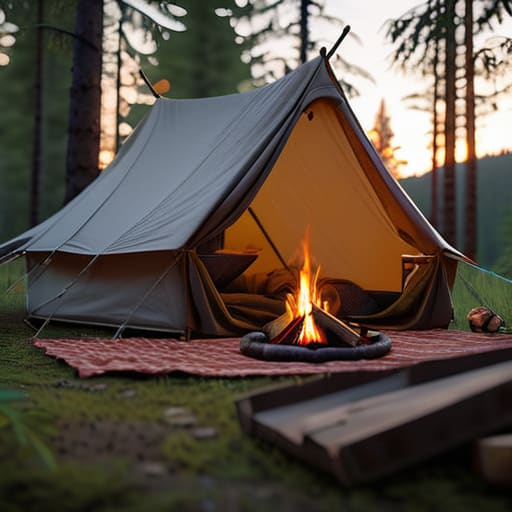
At the end of the day, camping on a budget isn’t about deprivation; it’s about being smarter with your resources. We’ve covered how to hunt down those hidden, free gems right in your backyard and how to scout out affordable sites before you even pack the car. By focusing on strategic planning rather than expensive gear hauls, you can bypass the typical tourist traps and the massive price tags that usually come with them. Remember, the goal is to maximize your time under the stars while minimizing the dent in your wallet.
Don’t let a tight budget keep you glued to the couch or scrolling through travel photos of everyone else’s adventures. The wilderness doesn’t care how much your tent cost or if your stove is a top-of-the-line model; it only cares that you showed up. Once you master the art of the low-cost escape, you’ll realize that the best memories usually happen around a simple fire, far away from the crowds and the high-priced resorts. So, grab your gear, find a spot, and just get out there.
Frequently Asked Questions
Is it actually safe to camp for free on public land, or am I going to run into trouble with rangers?
Look, the short answer is yes—it’s totally legal, provided you aren’t breaking the specific rules of that patch of dirt. Most public lands like BLM or National Forests have designated areas for dispersed camping. The real “trouble” only starts if you’re setting up in a restricted zone, lighting a fire during a burn ban, or staying longer than the allowed window. Do your homework on the specific land type, and you’ll be golden.
How can I afford decent gear without spending hundreds on brand-new equipment?
Stop looking at the shiny new stuff in big-box stores; that’s where they get you. Instead, hunt down the used market. Facebook Marketplace, Craigslist, and even local thrift stores are goldmines for high-quality tents and sleeping bags that just need a quick cleaning. You can also check out gear rental shops or even ask friends if they have old kit gathering dust in their garage. Honestly, used gear is the ultimate budget hack.
What are some cheap ways to keep food fresh and delicious without a fancy, expensive cooler?
Forget those $300 high-end coolers that take up half your trunk. If you’re on a budget, the secret is all about thermal management. Grab a decent insulated bag, but pack it smart: freeze your water bottles beforehand to act as ice packs—you get cold water as they melt, and zero soggy sandwich mess. Also, keep your perishables in a smaller, dedicated container inside the bag to minimize air exposure. It’s simple, but it works.
