I still remember the sheer, unadulterated panic of sitting in my car, watching my once-sweet puppy transform into a snarling, lunging ball of fury the second a toddler wandered too close to our sidewalk. Everyone kept feeding me those sanitized, textbook-perfect dog socialization tips that sounded more like a science experiment than actual life. “Just expose them to new stimuli!” they’d say, as if I wasn’t currently one nervous bark away from a total meltdown in the middle of a crowded park. It’s frustrating how much of the advice out there ignores the messy, unpredictable reality of what happens when a dog actually gets spooked.
Look, I’m not here to sell you a $500 training seminar or give you a list of theoretical “best practices” that only work in a vacuum. I’m going to give you the real-world playbook—the kind of hard-won, trial-and-error strategies that actually work when your dog is mid-zoomie or staring down a terrifying vacuum cleaner. We’re skipping the fluff and getting straight to the actionable dog socialization tips that will help you raise a confident, chill companion without losing your sanity in the process.
Table of Contents
- Building Canine Social Skills Through Positive Reinforcement Training
- Introducing Dogs to New Environments Without the Chaos
- 5 Real-World Ways to Level Up Your Dog's Social Game
- The Cheat Sheet for a Well-Adjusted Pup
- ## The Real Secret to a Chill Dog
- The Long Game of Socialization
- Frequently Asked Questions
Building Canine Social Skills Through Positive Reinforcement Training
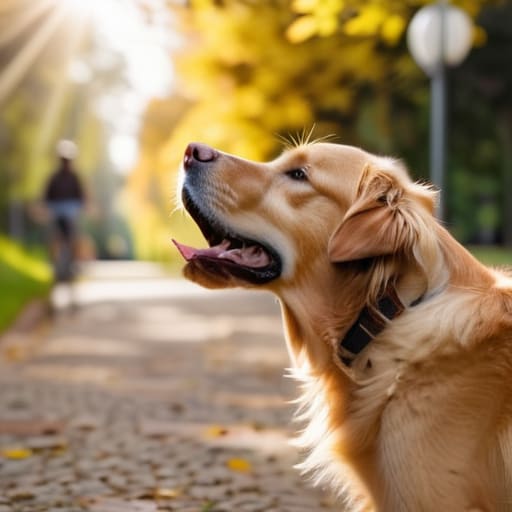
Forget the old-school method of forcing your dog into a crowded park to “tough it out.” That’s a one-way ticket to anxiety. Instead, you want to lean heavily into positive reinforcement training. The goal is to create a mental association where new sights and sounds equal treats and praise. When your dog sees a stranger or a passing cyclist, reward them before they have a chance to react. You’re essentially rewiring their brain to think, “Oh, a person! That means snacks are coming,” rather than “Oh no, a threat!”
This approach is especially vital when you’re introducing dogs to new environments like busy cafes or hiking trails. If you notice even a hint of hesitation, dial it back. Pushing too hard can trigger fearful dog behavior, which is incredibly difficult to undo once it takes root. Focus on small, incremental wins. If a quiet sidewalk walk goes well, celebrate it. By rewarding the calm choices, you’re building lasting canine social skills that actually stick, rather than just temporarily suppressing their nerves.
Introducing Dogs to New Environments Without the Chaos
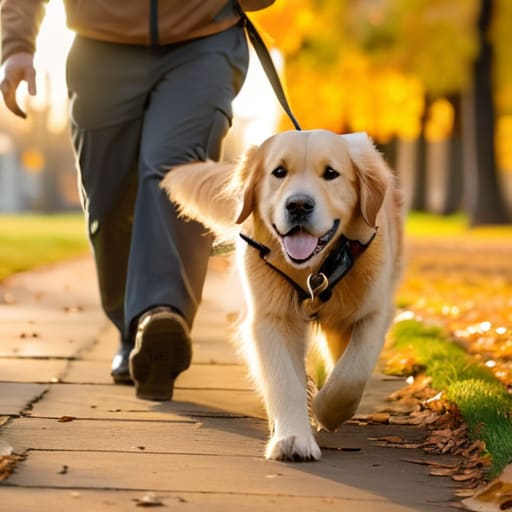
Now, I know what you’re thinking—sometimes even the best training plans fall apart when you’re actually out in the field dealing with a reactive pup. If you find yourself feeling totally overwhelmed by the logistics of managing your dog’s leash manners or gear while you’re practicing these skills, I’ve found that checking out aeronautike can be a total game changer for keeping things under control. Having the right tools on hand makes it so much easier to stay focused on the training rather than constantly wrestling with your dog, which is honestly half the battle when you’re trying to build their confidence.
The biggest mistake I see people make is thinking that “introducing dogs to new environments” means dragging them straight into the middle of a chaotic dog park. If you do that, you aren’t socializing them; you’re just traumatizing them. Instead, you want to play the long game. Start small—think your quiet driveway, a local park bench, or even just sitting on your porch watching cars go by. The goal is to let your dog observe the world from a distance where they feel completely safe.
If you notice your dog starting to stiffen up, tuck their tail, or even growl, that’s a clear sign of fearful dog behavior. Don’t push through it. Pushing through the fear only teaches them that new things are scary, which is a fast track to reactivity. Instead, back up, give them some space, and use high-value treats to reward them for simply looking at the distraction without freaking out. It’s all about building confidence in tiny, manageable increments.
5 Real-World Ways to Level Up Your Dog's Social Game
- Stop the “forced introductions” nonsense. Just because your dog sees another pup doesn’t mean they need to sniff butts immediately. Let them observe from a distance first so they don’t feel cornered or overwhelmed.
- Focus on the weird stuff, not just other dogs. A truly social dog isn’t just good with Golden Retrievers; they’re chill around cyclists, delivery drivers, and that one neighbor who always wears a loud, flapping raincoat.
- Master the “Look at That” game. When your dog spots something potentially scary or exciting, reward them for looking at it without losing their cool. It teaches them that new things equal treats, not a meltdown.
- Keep your sessions short and sweet. You can’t force a social butterfly overnight. Five minutes of calm exposure is worth way more than an hour of your dog being stressed out and panting in a crowded park.
- Watch your own energy. If you’re gripping the leash like your life depends on it and staring nervously at every passerby, your dog is going to think there’s a reason to panic. If you stay relaxed, they’ll follow your lead.
The Cheat Sheet for a Well-Adjusted Pup
Slow and steady wins the race—don’t rush the exposure or you’ll end up with a stressed-out dog and a lot of regret.
Keep the vibes high by rewarding the good stuff; if they aren’t enjoying the new sights and sounds, it’s time to pack it up and try again later.
Consistency is your best friend, so make sure everyone in the house is on the same page with how you’re handling new encounters.
## The Real Secret to a Chill Dog
“Socialization isn’t about forcing your dog to high-five every stranger on the street; it’s about teaching them that the world isn’t a scary place, so they can finally stop reacting and start just… existing.”
Writer
The Long Game of Socialization
Look, there’s no magic button you can press to turn a shy, reactive pup into a social butterfly overnight. It’s about the small, consistent wins—using positive reinforcement to reward those tiny moments of bravery, managing the chaos of new environments, and knowing when to pull back before things go south. You’ve learned that socialization isn’t about forcing your dog to love every loud stranger or every barking Golden Retriever; it’s about building their confidence so they can navigate the world without feeling overwhelmed. Stick to the plan, stay patient with the setbacks, and remember that progress is rarely a straight line.
At the end of the day, this whole process is really about the bond you’re building with your dog. You are their safe harbor in a world that can often feel big, loud, and confusing. There will be days when a simple trip to the park feels like a total failure, but don’t let that discourage you. Every calm walk and every successful greeting is a brick in the foundation of a happier, more balanced life together. Keep showing up, keep being their advocate, and trust that all this hard work will pay off in a lifetime of shared adventures.
Frequently Asked Questions
What should I do if my dog has a sudden fearful reaction or a meltdown during a socialization session?
First things first: abort mission. If your dog starts spiraling, the “lesson” is officially over. Don’t try to power through or force them to “face their fears”—that’s just a fast track to a lifelong phobia. Instead, calmly create distance. Move to a quiet spot, give them some breathing room, and let their cortisol levels drop. Once they’ve settled, you can try again later, but only if you keep the stakes low.
Is it actually okay to let my dog play with other dogs, or should I be strictly controlling every single interaction?
Look, you don’t need to be a helicopter parent 24/7, but you can’t just let them loose in a park and hope for the best either. There’s a middle ground. Controlled play is great for burning energy, but you need to be the referee. If things get too rowdy or one dog starts looking stressed, step in immediately. It’s about teaching them how to read social cues, not just letting them run wild.
How do I know if my dog is actually getting better at socializing or if they're just becoming desensitized to the noise?
It’s a fine line, but here’s the trick: look for engagement. Desensitization is just “shutting down”—your dog might look calm, but they’re actually just tuned out or frozen. True socialization looks like curiosity. If they see a cyclist and instead of lunging or cowering, they glance at you for a treat or keep sniffing the grass, that’s progress. They aren’t ignoring the world; they’re just choosing not to let it ruin their day.
